

Keloids, not your ordinary lesion.
What Are Keloids?
Keloids are raised, thickened scars that form when the body produces too much collagen during the healing process. They can appear shiny, smooth, and firm, often taking on a pink, red, or darker hue depending on skin tone.
Common sites include:
Chest and shoulders
Earlobes (after piercings)
Upper back
Jawline
Belly button (after piercings)
Why Do Keloids Happen?
The exact cause of keloid formation is not fully understood, but it’s linked to abnormal wound healing and genetic predisposition. When the skin is injured—by surgery, burns, acne, piercings, or even minor cuts—the body’s repair mechanisms may go into overdrive, producing excess collagen. This leads to the raised, expanding scar tissue characteristic of a keloid.
Who Is Most Likely to Be Affected?
Keloids can affect anyone, but certain populations are more susceptible:
People with darker skin tones (African, Hispanic, and Asian descent) are up to 15 times more likely to develop keloids.
Younger individuals(typically between ages 10 and 30) are more prone.
Pregnant women and those with a family history of keloids also have higher risk.
Are Keloids Cancerous?
No, keloids are not cancerous. They are benign growths of scar tissue and do not transform into cancer.
How Can Keloids Be Removed?
There is no single cure for keloids, but several treatment strategies can help reduce size, symptoms, and recurrence risk. Often, combination therapy yields the best results.
Common treatments include:
Corticosteroid injections: Reduce inflammation and shrink the keloid.
Surgical excision: Physically removes the keloid, often combined with other therapies.
Cryotherapy: Freezes the tissue to flatten smaller keloids.
Laser therapy: Improves texture and color, often combined with corticosteroid steroid injections.
Silicone gel sheets or pressure dressings: Help flatten and soften scars over time.
Radiation therapy: Used after surgical removal to prevent recurrence in stubborn cases.
Risks of Removal
Removing a keloid is challenging because surgical excision alone often triggers regrowth, sometimes larger than the original lesion. The main risks include:
Recurrence (the most common complication)
Infection or delayed healing
Pigment changes (especially in darker skin tones)
Pain or itching at the site.
Will Keloids Come Back?
Unfortunately, keloids have a high recurrence rate, especially after surgical removal without adjunct therapy. Recurrence rates can range from 45% to 100% depending on treatment type and individual factors. Preventive measures—such as pressure therapy, silicone sheets, and steroid injections after surgery—can significantly reduce the risk.
Inglewood laser + Aesthetics offers free consultations and evaluations of keloids and other lesions. Knowing your options and risks can help you determine which treatment is best for you. Book your free consultation on this web site.
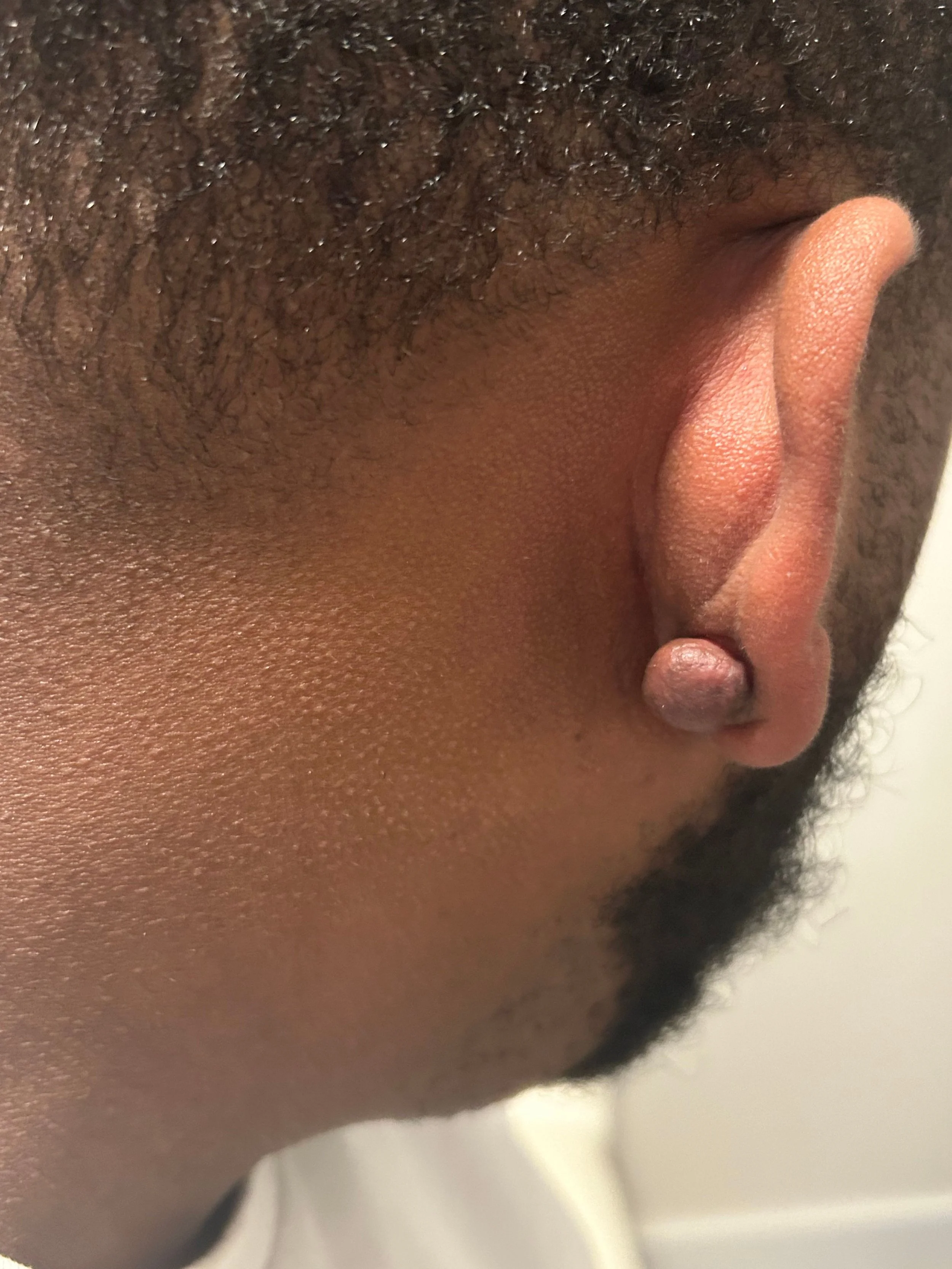
KELOID
