


Benefits of Mole & Keloid Treatment
✓ Personalized treatment plans
✓ Improve skin appearance
✓ Reduce irritation and discomfort
✓ Minimize raised scar tissue
✓ Comfortable in-office procedures
✓ Little to no downtime for many treatments
✓ Treatment options based on your condition
✓ Suitable for many skin types
✓ Experienced medical providers
✓ Consultation before treatment
What Is a Keloid?
A keloid is a raised scar that develops when the body produces excess collagen during healing. Keloids may continue growing beyond the original injury and can cause itching, tenderness, or discomfort. They are more common in certain individuals and skin types.
Keloid Treatments May Include
Corticosteroid (Kenalog) injections
Cryotherapy
Laser treatment (when appropriate)
Surgical removal in selected cases
Combination treatment plans
Mole & Keloid Treatment in Inglewood
Inglewood Laser + Aesthetics provides personalized mole removal and keloid treatment for patients throughout Inglewood, Los Angeles, Hawthorne, Gardena, and surrounding communities. Every treatment plan is customized based on your skin, concerns, and goals.
MOLE & KELOID REMOVAL
Safe, Personalized Treatment for Healthier, Smoother Skin
At Inglewood Laser + Aesthetics, we provide personalized treatment for bothersome moles and keloid scars. Whether your concern is cosmetic, causing discomfort, or affecting your confidence, our experienced team develops customized treatment plans designed to improve the appearance and comfort of your skin. Every consultation includes an evaluation to determine the most appropriate treatment for your individual needs.
Mole Removal: Achieve Clearer Skin with Precision
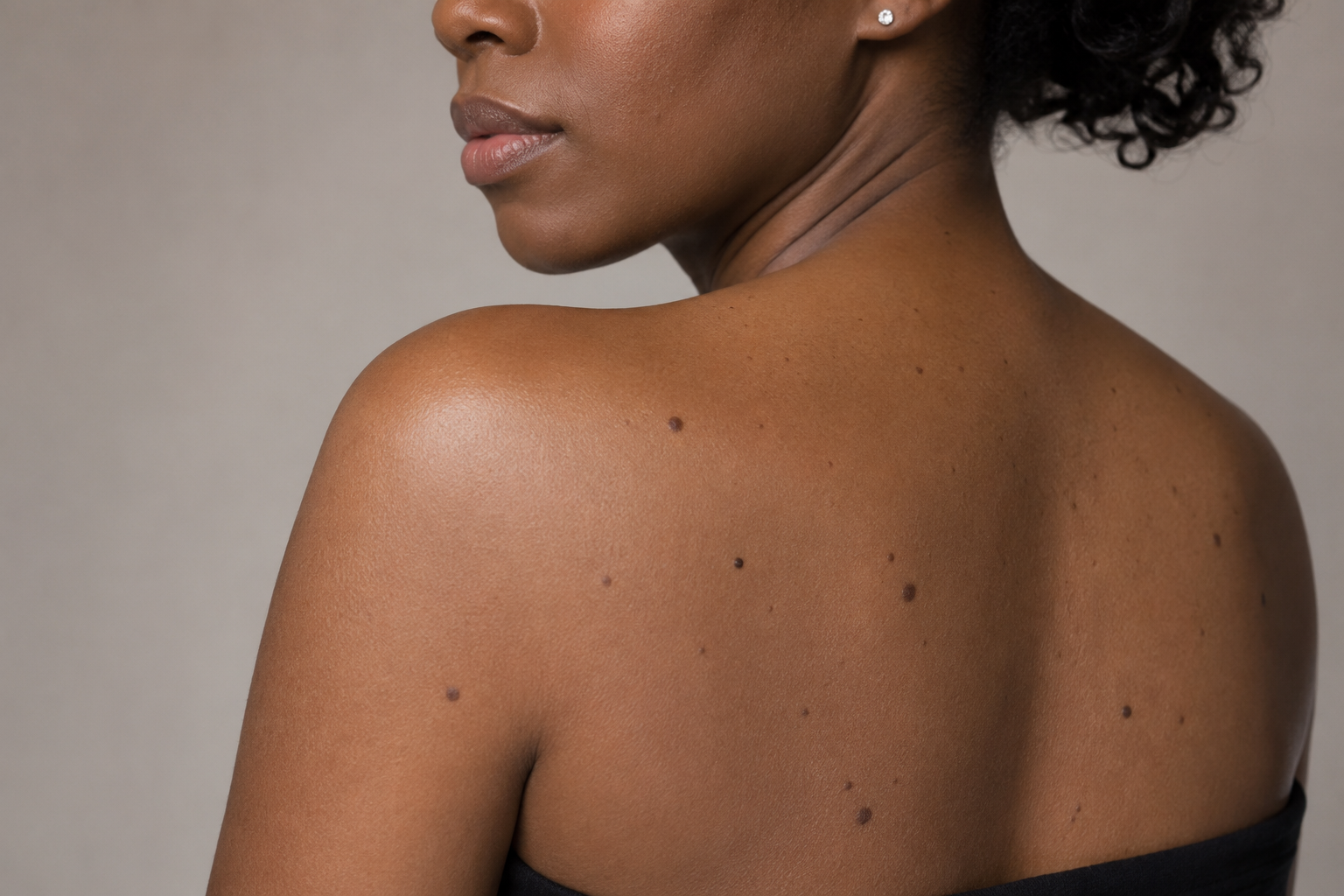
Unwanted or bothersome moles can impact your confidence. Our mole removal procedures are designed to carefully and effectively eliminate moles, leaving your skin smooth and rejuvenated. We focus on minimally invasive methods to ensure comfort and natural-looking results.
Keloid Removal: Reduce Scarring, Restore Confidence
Keloids are raised scars that can develop after an injury or surgery. Our keloid removal treatments target excess scar tissue to flatten and reduce their appearance. Whether through laser technology, cryotherapy, or other advanced methods, we create a customized plan to restore your skin’s smoothness.
Mole Removal
What Is Mole Removal?
Moles are common skin growths that may be removed if they become irritated, catch on clothing, or are cosmetically bothersome. During your consultation, we'll evaluate the mole and discuss whether removal is appropriate. If a mole appears suspicious, evaluation by the appropriate medical specialist may be recommended before cosmetic treatment.
Reasons Patients Choose Mole Removal
Irritation from shaving or clothing
Cosmetic concerns
Raised moles
Frequently injured moles
Moles in high-friction areas
-
Many moles can be removed for cosmetic or comfort reasons. However, if a mole has changed in size, color, shape, or appearance, it should first be evaluated to determine whether additional medical assessment is needed before removal.
-
Keloids develop when the body produces excess collagen during the healing process after an injury such as surgery, acne, burns, cuts, or piercings. Some people are more prone to developing keloids than others.
-
Keloids can recur after treatment. Depending on the size and location of the keloid, your provider may recommend combination therapies to help reduce the risk of recurrence.
-
Any procedure involving the skin may leave a small scar. Our goal is to minimize scarring while achieving the best cosmetic outcome possible. Healing varies based on the size and location of the mole and your individual skin.
-
Most patients experience only mild discomfort during the injection. The procedure is quick, and your provider will discuss ways to maximize comfort during treatment.
-
The number of treatments varies depending on the size, age, and location of the keloid. Many patients require multiple treatment sessions for optimal improvement.
-
Most patients return to their normal daily activities shortly after treatment. Your provider will review any aftercare instructions specific to your procedure.